Blog / Detroit Ford Service

Blog

All Detroit Ford Service Detroit Ford Dealer Bob Maxey Ford (Detroit) Service Things to Do in Detroit Bob Maxey Ford Food Places in Detroit Bob Maxey Ford in Detroit Ford 2026 Ford Escape Ford Inventory Safety Features Technology 2026 Ford Mustang Summer Fun Truck Offroad Pickups Service Service in Detroit, MI 2025 Ford F-250 Super Duty 2025 Ford Super Duty 2026 Ford Escape Inventory 2026 Ford Mustang Lineup Engine Exterior Design and Trim Levels Interior Space Mustang Safety Systems and Driver Assistance The Mustang GTD Model
Transmission service

Does Your Ford Need a Transmission Repair? Visit Your Dealer Today

If you ever find it difficult to shift gears or hear strange sounds coming from your transmission, it's wise to have it repaired without delay. Small gearbox problems can rapidly escalate, and replacing a modern automatic transmission can be almost as expensive as buying a new engine. Keep an eye out for the following symptoms of transmission trouble. If you notice any of them, visit your nearest Ford dealer for transmission repair right away. more Burning Fluid Smell The majority of transmission problems stem from the transmission fluid. With so much heat and pressure inside the gearbox, the fluid is essential to keep all the moving parts lubricated and cleaned of debris. When transmission fluid ages, it begins to thicken and dirty with fragments of debris. It also begins to burn in the heat of the gearbox. And the more the fluid thickens and reduces, the greater the friction and heat, accelerating the decline. You'll sometimes catch a whiff of this burning smell in the cabin above. Flush Transmission Fluid at Your Ford Dealer Proper gearbox maintenance requires regularly refreshing your transmission fluid. For automatic shifts, every 60,000 miles is considered a good interval for most drivers. For manual shifts, you'll need to flush your fluid more often: every 30,000 miles or so. Check your owner's manual for the recommended schedule for your particular model. Red Fluid Leaking Under Your Car An even more serious problem is leaking transmission fluid, which could rapidly cause your gearbox to break down. If you ever see a puddle of reddish liquid under your car when you pull away from parking, you probably have a leaking transmission. Leaks most often originate from the transmission pump or connected lines. You'll probably need a technician to repair the leak. Delayed Gear Shifts When the gears and other parts inside your transmission begin to wear down, you'll sometimes notice a delay in the shifting. It might take a few seconds for the new gear to fully engage. Engine Revving While Shifting When gears have trouble changing smoothly, the engine sometimes tries to compensate by revving for more power. Any sudden revving when you're changing gears is a sign that your gearbox is struggling. Strange Sounds From Below An unhealthy transmission tends to become quite noisy in other ways as well. You might notice grinding sounds as poorly lubricated or worn-down gears struggle against each other. And problems in automatic transmissions often cause humming or whining sounds. Have your transmission inspected and repaired today at Bob Maxey Ford of Detroit. We have a top-notch car service and maintenance center with highly trained technicians to help resolve any vehicle problems you might have.

Car A/C

Is Your Car AC Not Working? Visit Your Ford Dealer Today

It's never pleasant to start driving on a hot summer day only to find your car AC not working. There are various possible causes for faults in an air conditioning system. You'll usually need a technician at your local Ford dealer to fix it, especially if a part needs replacing. The following are six common causes of malfunctioning car AC. more Broken Condenser In modern Ford vehicles, AC systems can be expected to last a good 10 years or more without fault. When they do occasionally run into trouble, it's often due to an issue with the condenser. The condenser rests beside your radiator at the front of your car. It's responsible for turning the refrigerant into liquid form, which has a cooling effect. Algae, rust, or congealed refrigerant can sometimes clog up a compressor, in which case it only needs to be cleaned. But if your compressor's been cracked by a stone or some other impact, you'll probably need a new one. Faulty Sensor If your AC is only working intermittently, warm air's blowing out, or you can hear strange noises, then the sensor in your refrigerant pressure switch might be malfunctioning. This sensor detects drops in pressure that indicate a leak. But if the sensor itself fails, then your AC system might start acting as though it has a leak, even when it doesn't. Sensors are not the most expensive parts to replace, although you'll need a technician to do it for you. Broken Hose or Gasket An actual refrigerant leak will also bring your AC to a halt. On the rare occasion when leaks occur, they will most often stem from a cracked hose or gasket. Look for an oily colorless substance around these areas. Broken Fan There are various different fans throughout an AC system. The fans that draw air in from outside the car sometimes become blocked or cracked by external debris. If a fan within the refrigerant circulation suffers a broken blade, tiny shards of metal can flow through the system, causing further damage and even leaks. Blown Fuse Whenever an electronic accessory in your car stops working, always check the fuse. You can use a test light or multimeter to see if the fuse is blown, or you can pull the fuse out to check if its wire element is burned or melted. A blown fuse might indicate some underlying problem in your vehicle's electrical supply. Electrical Interruption A broken wire might have interrupted the power to your AC system, causing it to shut down. If more than one accessory has stopped working at the same time, then you might have a problem with your battery or alternator, which supply the car with electricity. Have your AC inspected and repaired today at Bob Maxey Ford Detroit. We offer excellent vehicles and service to drivers in Detroit, Highland Park, Grosse Pointe, and Hamtramck. Image by Karolina Grabowska from Pixabay

brake service detroit, mi

How to Tell When You Need Brake Repair

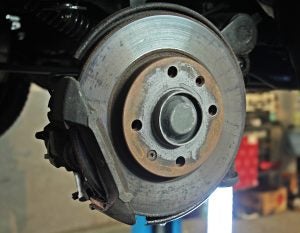
Good brakes allow you to drive safely, while bad brakes could lead to an accident. You depend on your brakes to enable you to stop whenever your need to. In time, you may need a brake repair. As your Ford dealer, we'd like to tell you some signs that you need to see us ASAP for repair. more Worn Parts The braking system is a mechanical one, and it's composed of numerous parts. Your brakes must be checked regularly according to your Ford's service schedule to keep the system working efficiently. Parts can jam, wear out, or break, and they need replacement. If any part of the braking system is worn or damaged, your braking system won't work correctly. A brake caliper, for example, can jam. Hydraulic pressure from the brake fluid forces the pins out of each caliper. This action causes the calipers to close on the wheel rotors and stop them from moving. A jammed caliper pin will prevent the caliper from engaging and closing. This prevents the caliper from stopping its rotor. Our highly-trained technicians will examine your system and replace any worn parts. Leaking Brake Fluid A brake fluid leak compromises your braking system. Your brakes depend on this fluid, as it exerts the hydraulic pressure needed for the system to work effectively. Brake fluid can leak from a variety of places, including brake hoses, brake lines, and the brake fluid reservoir. A braking system is pressurized, and a leak will also reduce the pressure in the system. As your braking system loses fluid and pressure, braking will become more challenging. When you step on the brakes, you'll feel a lack of resistance. This lack of resistance is caused by low pressure and fluid. Your brakes will take longer to engage, which could result in an accident. Our technicians are experts at tracing and repairing leaks, and we'll find and fix the problem. Failed Brake Booster As we've seen, your braking system is pressurized. High pressure is essential, as your brakes have to stop the weight of your car when it's moving at speed. Normal strength isn't enough to overcome the pressure in the barking system. This is where the brake booster comes in. The brake booster provides 10x the pressure you exert on the pedal to force the braking system to engage. The booster uses a vacuum system to generate this level of pressure. If the vacuum in the booster is damaged, it can't exert the required pressure, and your brakes won't work. If your brakes aren't working as well as they should, call us right away at Bob Maxey Ford. Image by S. Hermann / F. Richter from Pixabay

oil change in detroit, mi

How Long Has It Been Since Your Last Ford Oil Change?

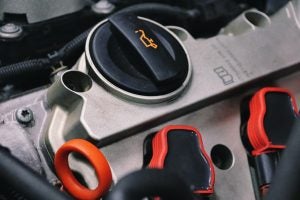
Oil changes are a great way to keep your car running smoothly. Getting your oil changed regularly can make a real difference and is easy to do. Here are a few reasons to bring your car in for a Ford oil change. more Engine Life The oil in your engine is critical to its performance and longevity. If you don't change it regularly—or if you use poor-quality oil in your vehicle—you could end up with an expensive repair bill. That's because worn-out oil doesn't lubricate as well as new, clean oil, leading to engine problems over time. The good news is that changing your oil regularly will keep your engine healthy, so you won't have to worry about spending money on repairs down the line. Fuel Economy One of the biggest benefits of an oil change is that it helps your car run more efficiently. If you wait too long between appointments, it can mean that your car's engine isn't running as well as it should be. During a Bob Maxey Ford oil service, we'll clean out any sludge and change out your old oil. Dirty oil means your car won't be getting as many miles out of every gallon of gas. It also means wear and tear on your engine and more money on repairs down the line! Get an oil change regularly if you don't want to spend extra money on gas or have to keep replacing parts because they're wearing out faster than they should be. Cooling the Engine Your engine needs to run at a specific temperature to perform at its best. If the engine runs too hot or too cold, things can start breaking down, leading to more serious issues down the road. Keep an eye on your oil level! Oil helps keep the engine from getting too hot or cold by acting as a heat sink. When your oil level gets low enough that its ability to absorb heat starts being compromised, that's when you enter the danger zone! Reduces Emissions When you get your oil changed, you're not only caring for your car but also helping the environment. Every time you drive your car, it emits harmful gases into the air. These emissions cause air pollution and contribute to climate change. Dirty engine oil is particularly harmful, with noxious gas released into the atmosphere. However, if you get your oil changed regularly, it reduces the emissions released into the atmosphere. Since fresh oil burns cleaner than dirty oil, the more often you change your oil, the better. If you're unsure when you should get an oil change, we recommend checking your owner's manual or calling our service department. If you do need an oil change, schedule an appointment at Bob Maxey Ford! We'll make sure that everything is taken care of and have you on your way right away. And don't forget to check out our website for any service specials! Image by Alexander Fox | PlaNet Fox from Pixabay

Contact Us

Fill out this form below and we'll contact you shortly
*Required Fields