Blog / Bob Maxey Ford (Detroit) Service

How Often Should You Get New Brake Pads?

ford brake pads replacement

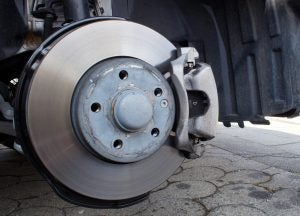
Brake pads clamp the rotors that slow your Ford and bring it to a stop. Each time you press the brake pedal, your pads wear down a little further. It's important to visit your local Ford dealer for new pads in a timely manner before your braking system starts to lose function. Let's take a look at how often your pads will usually need to be replaced.

Every 30,000 to 70,000 Miles

As a Ford driver, it's generally recommended that you should replace your pads every 30,000 to 70,000 miles. But be sure to check your vehicle's user manual to see the interval suggested for your particular model.

Rougher Driving Conditions 

The more they're used, the faster the pads of your braking mechanism wear down. If you find yourself regularly driving in conditions that require constant braking, then you'll need to have your pads replaced more frequently. Such conditions include mountainous terrain with plenty of sharp turns and downhill stretches, and also heavy stop-and-go traffic, which you often find in a busy urban commute.

Inexpensive Versus Premium Pads

The quality of your pads also makes a big difference in how rapidly they wear down. Premium pads have friction layers that are typically made of ceramic, while lower-quality pads usually have semi-metallic friction layers. But the material used doesn't determine durability as much as the quality of construction, which you'll find reflected in the price tag.

With such an outstanding vehicle as a Ford, it's worth keeping every component top-notch in quality. This is especially true with something as vital to your safety as the pads in your braking mechanism. Premium pads may cost more, but they last longer too. So in the long run, you're often saving on the cost of more frequent replacements anyway.

When Your Ford Dealer Suggests New Pads

There's a wide margin and several years of driving between 30,000 and 70,000 miles. Because of this, you should always keep a close eye on the condition of your pads. The safest way to do this is with regular brake inspection, every six months or so.

During an inspection, the technician will raise your car and remove the wheels, calipers, rotors, and pads. They'll examine each component carefully and keep you updated on the exact condition of your pads. With regular brake inspections, you'll know how quickly your pads are wearing down, and you'll be able to plan ahead for replacements.

At the First Sign of Braking Trouble

Always keep an eye out for signs of problems that might indicate worn-out pads. If you hear a high-pitched squealing or grinding when you brake, then the friction layer of your pads has gotten too thin.

Also, if you ever feel a sponginess to your braking, then your pads or rotors may have become damaged by overheating or too much usage. In either case, have a trusted technician take a look as soon as you can.

For a full brake inspection and prompt pad replacement, visit Bob Maxey Ford. We're a locally-trusted dealership that takes as much pride in our world-class service as we do in our vehicles.

Image by Ralphs_Fotos from Pixabay

Posted in:

Related Posts

Two Ford technicians looking at a tablet in a service garage.

Ford Service in Detroit, MI: Keep Your Vehicle Running Smoothly

Why Regular Ford Service Matters Owning a Ford vehicle means enjoying the reliability and innovation that comes with the brand. However, to keep your car, truck, or SUV performing at its best, regular Ford Service is essential. Routine maintenance not only ensures your vehicle operates efficiently but also helps prevent costly repairs down the road. For drivers in Detroit, MI, staying on top of service schedules is especially important given the city's varying weather conditions and busy roads. more Whether you're driving a rugged Ford F-150 or a versatile Ford Escape, adhering to recommended service intervals will extend the life of your vehicle and maintain its value. When Does My Car Need a Routine Oil Change? One of the most common questions Ford owners ask is, "When does my car need a routine oil change?" The answer depends on several factors, including your vehicle's model, engine type, and driving habits. For most modern Ford vehicles, oil changes are typically recommended every 7,500 to 10,000 miles when using synthetic oil. However, if you frequently drive in stop-and-go traffic or extreme temperatures—common in Detroit—your vehicle may require more frequent oil changes. Regular oil changes are crucial for maintaining engine health. Clean oil lubricates engine components, reduces wear and tears, and helps regulate engine temperature. Neglecting this simple yet vital service can lead to decreased performance and potential engine damage over time. Comprehensive Ford Service Options At Bob Maxey Ford in Detroit, MI, we offer a full range of Ford Service options to keep your vehicle in peak condition. From routine oil changes to brake inspections and tire rotations, our certified technicians are equipped to handle all your maintenance needs. We also utilize genuine Ford parts to ensure quality and compatibility with your vehicle. In addition to standard maintenance, our team can assist with advanced diagnostics and repairs using state-of-the-art equipment. Whether it's addressing a check engine light or replacing worn-out components, you can trust us to get the job done right the first time. The Convenience of Scheduling Ford Service Scheduling your Ford Service has never been easier. With online tools available through Bob Maxey Ford 's website, you can book an appointment at your convenience. Plus, we offer services like Ford Pickup & Delivery for added flexibility. Simply let us know when and where you'd like your vehicle serviced, and we'll handle the rest. For those who prefer to stay on top of their maintenance schedule, our team can provide personalized reminders based on your vehicle's needs and mileage. This ensures you never miss an important service interval, such as knowing when your car needs a routine oil change.

A set of keys on top of financing paperwork

Is Financing a Ford Right for You? Exploring Options

Image via Bob Maxey Ford. Financing a car by getting a car loan is a very common way to start driving a new vehicle. However, loan-based Ford financing options aren't the only way to get behind the wheel of a new Ford. Leasing is an option, too. Each type of financing will appeal to different people. Let's explore the various financing options Ford offers. more Exploring Ford Financing Options Standard Purchase A standard purchase is what you may think of by default regarding car financing. It's a typical loan with a fixed interest rate, and the loan term can last anywhere from 12 to 84 months. You'll fully own your vehicle once you've paid off your loan, no matter how long your loan term is. You pay the same amount for your car every month, build equity month by month, and have no limitations on what you can do. You can customize your vehicle's appearance, replace and upgrade parts of it as you desire, and drive as much or as little as you like. Flex Buy Like with a standard loan, a flex buy lets you own your car when the loan is paid off. You can customize the vehicle, drivers as much as you need to, and do whatever you want to the car, because it's yours. It's how you pay that's different from a standard purchase. With a flex by loan, you can choose a 66 or 75-month term. You'll pay less for your car for the first 36 months of your loan term, and the payments will increase when you reach month 37. As the name suggests, the payment discount options are flexible, making flex buying an appealing option for people in a variety of financial situations. This financing option also has a fixed interest rate, and every payment builds equity. Red Carpet Lease Leasing is suitable for people who don't want to customize their vehicle and who may have a tighter budget. Leasing is typically lower-cost than buying a car, both upfront and month by month. Multiple lease terms and mileage limitations are available. You do have to stick to a mileage limit, so think carefully about how much you drive before you decide to lease. Ford offers 8 different mileage options and a 24-month lease or a 48-month lease. Which Option Is the Best Choice? Leasing is most suitable for people who need the lowest monthly cost possible and don't mind not owning their car. A flex buy loan may be more suitable for people who need a long loan term and flexible payment options, while a standard purchase is ideal for anyone who wants to make a consistent monthly payment right from the start while owning their car. Come to Bob Maxey Ford (Detroit) in Detroit, MI, to pick out your new Ford vehicle. We can help you get a car loan or apply for a lease.

A mechanic inspecting the underside of a car

Maximizing Your Ford's Lifespan with Professional Inspections at Your Ford Dealer

Image via Bob Maxey Ford. Routine vehicle inspections are a core part of preventative maintenance. If you schedule regular Ford inspections, our technicians can fine-tune the engine, detect and repair minor faults, and save you a good deal of money in the long term. Let's look at how often you should have an inspection carried out at your local Ford dealership and the many benefits provided to you and your car. more When to Have Your Ford Inspected It's advisable to have a thorough multi-point inspection conducted twice a year. This interval will ensure that most issues are caught early on. You should also have your car inspected before long journeys, such as out-of-state road trips. And if you ever experience a collision, you'll need a technician to make sure everything is still working properly under the hood. How Inspections Prolong Your Car's Lifespan The rate at which cars age depends on how well they're looked after. Vehicle aging is simply an accumulation of wear and tear over time, and preventative maintenance minimizes this rate of wear. When seeking to maximize your car's lifespan, the most important thing to prevent is major faults, especially in the engine, transmission, or another major component. Serious malfunctions typically build slowly over time and, if fixed at an early stage, can often be readily averted. This is why regular inspections are crucial for overall vehicle longevity. Reduce Costs While Enhancing Vehicle Value Routine scheduled maintenance is typically a fraction of the cost of repairing or replacing parts that have worn out prematurely. With periodical inspections, you're doing all that you can to prevent expensive repair jobs from rearing their ugly heads. Furthermore, used car buyers are always keen to know how well the car was cared for. If you keep the receipts from all inspections to show future buyers, you're certain to gain a higher price; your car's value is maintained far better with regular professional attention and tune-ups. Enjoy Significant Safety Benefits Most importantly of all, you're safer on the road in a car that's recently been inspected. When a collision is caused by component failure, the driver rarely knows about the problem beforehand. Inspections ensure that no hazardous hidden fault is slowly developing in your car. Schedule Routine Ford Inspections With Us As with oil changes and tire rotations, it's easiest to manage professional inspections with a regular schedule at your dealership. When you set up a maintenance schedule with us, we'll keep you updated on each necessary service to ensure you don't accidentally forget one. Visit Bob Maxey Ford Detroit in Detroit, MI, today to have a comprehensive multi-point inspection carried out on your car, including a full diagnostic test and engine tune-up.